Salerno · The BeginningA Childhood in Southern Italy
Giuseppe Bruno was born in the province of Salerno, on the western edge of Southern Italy where the Amalfi Coast meets the Cilento. He grew up in a household where the kitchen was the centre of family life — where a Sunday ragù simmered for hours, where the bread was kneaded by his grandmother, and where the harvest of the Mediterranean — fish, citrus, tomatoes, olive oil, herbs — was treated with quiet reverence. The lesson that food is the soul of the family was learned long before he ever cooked professionally.
New York · The ArrivalCrossing the Atlantic
Like generations of Italians before him, Giuseppe carried his family's recipes and his sense of hospitality across the Atlantic to New York. He cooked in some of Manhattan's most demanding Italian kitchens through the 1980s and 1990s — apprenticing alongside seasoned chefs, learning the rhythms of a New York dining room, and absorbing what would later become his own restaurant aesthetic: refined, romantic, deeply Italian, but unmistakably New York.
Sistina · The First RestaurantFounding Sistina
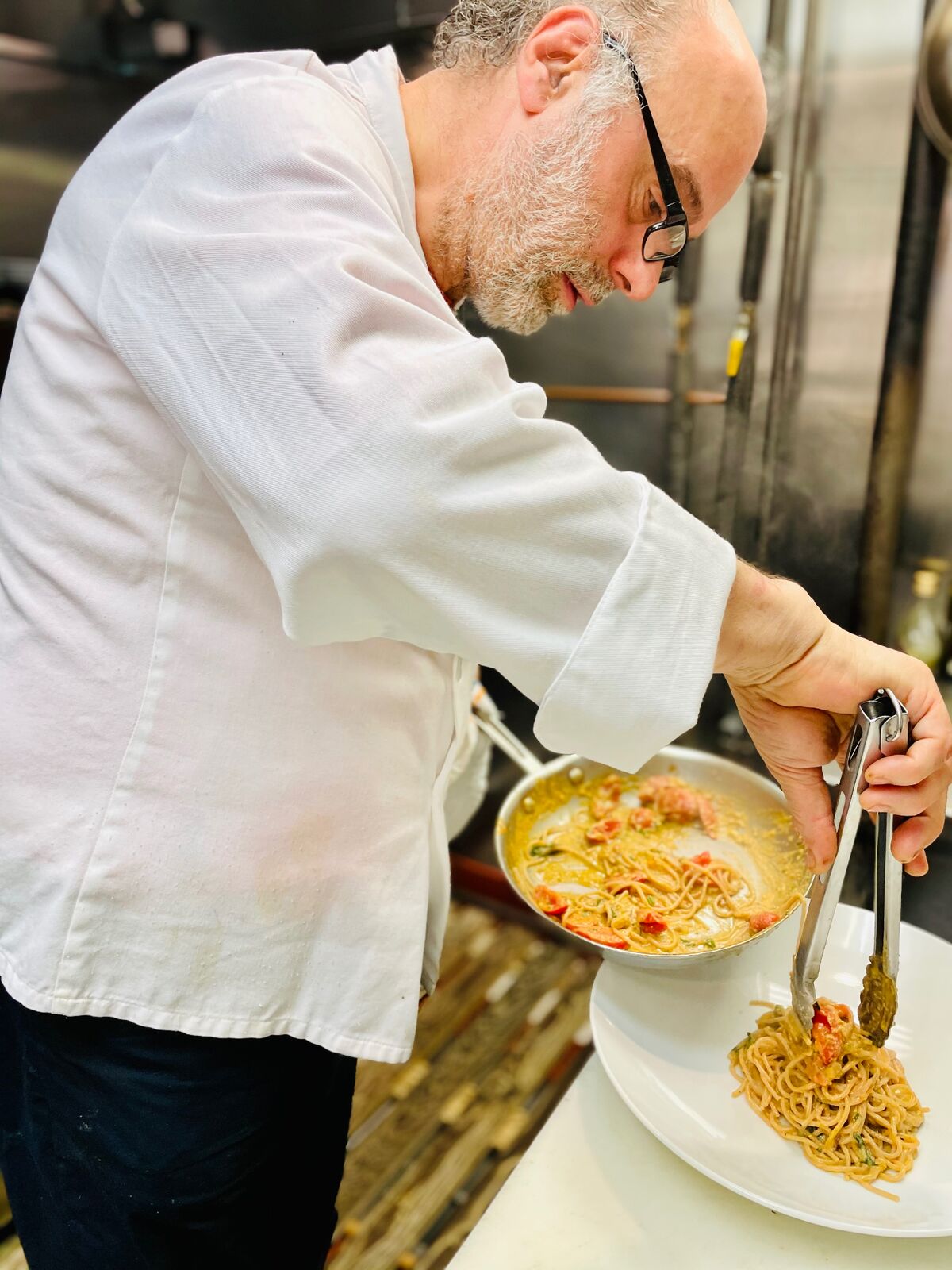
When Giuseppe opened Sistina on the Upper East Side, he set out to build the kind of Italian restaurant he had grown up dreaming about — a room where regulars are welcomed by name, where the pasta is hand-cut each morning, where the wine list reflects the curiosity of a true sommelier. Sistina quickly became a neighbourhood landmark for politicians, designers, doctors, and uptown families — a generation of New Yorkers raised their children at its tables. Decades on, Sistina remains in Giuseppe's hands.
Caravaggio · The Second ActFounding Caravaggio (2009)
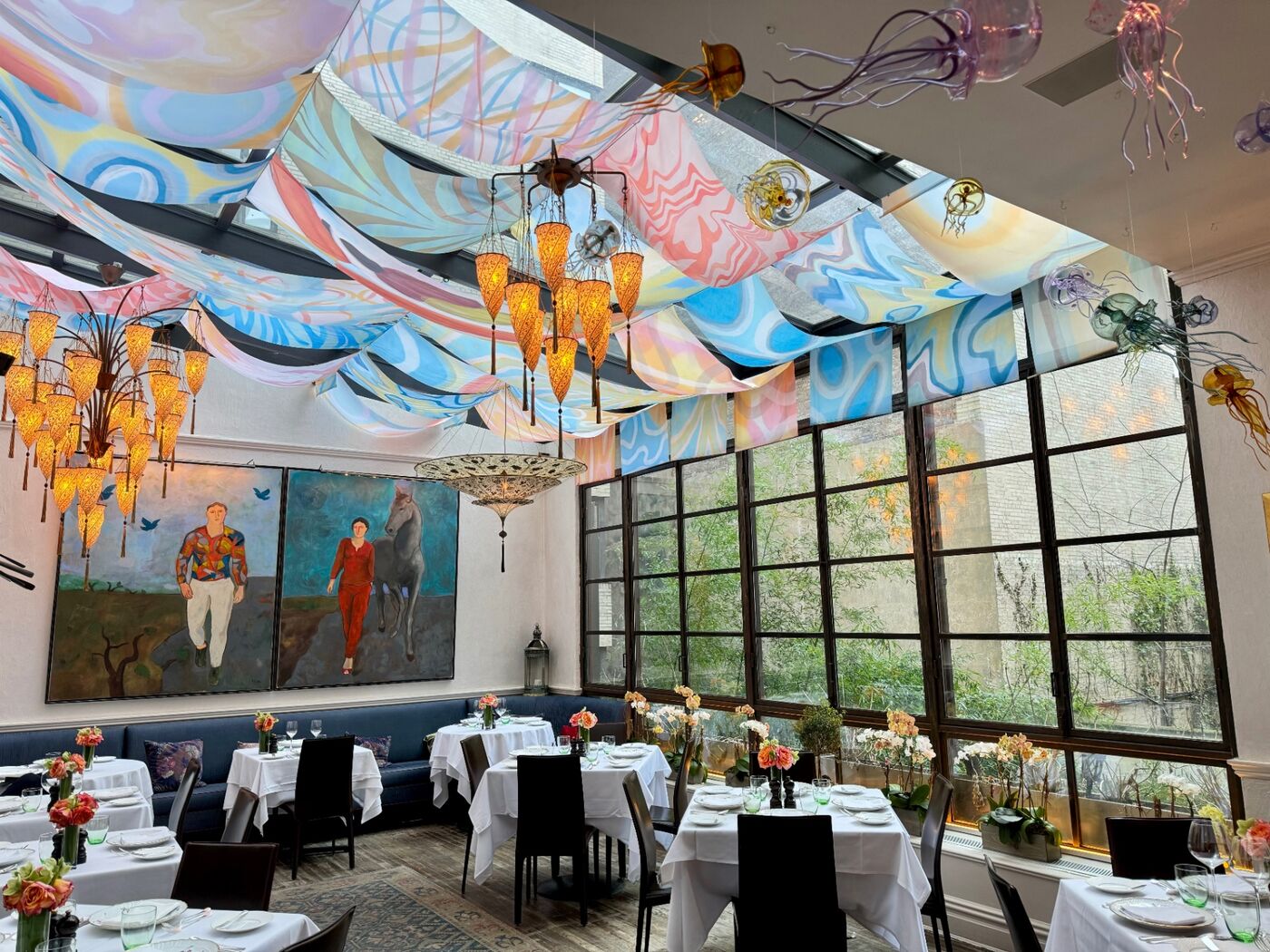
In 2009 Giuseppe opened Caravaggio at 23 East 74th Street, between Madison and Fifth Avenue. The Gio Ponti–inspired dining room, the curated artwork, the long banquette and the signature flower mural were as deliberate as the menu itself. Caravaggio is Giuseppe's mature work — quieter, more romantic, more architectural than Sistina, with a kitchen that draws as freely from the North of Italy as from his native South.
Hospitality · The PhilosophyWhat Hospitality Means to Giuseppe
Giuseppe believes hospitality is not a department but a personal act. He is on the floor most nights — greeting guests by name, pouring wine at the table, adjusting a plate that came out of the kitchen a moment off. The room is run the way a Salerno grandmother runs a Sunday lunch: nothing is rushed, no one is forgotten, and every guest leaves better fed and better cared-for than when they arrived.
Wine · The SommelierAn Owner-Sommelier's Cellar
Giuseppe is the sommelier of his own restaurants. The Caravaggio list — recognised year after year by Wine Spectator — runs deep through Italian regions most lists overlook: Etna, Aglianico del Vulture, Friulano, Sagrantino di Montefalco. He pours French Champagne, vintage Barolo from his cellar, and an ever-rotating roster of small producers he visits personally in Italy each year.
Press · RecognitionWhat the Critics Have Said
Caravaggio has been reviewed by The New York Times (Pete Wells), profiled in Forbes for Giuseppe's "philosophy of couture fine dining rooted in gastronomic tradition," and honoured repeatedly by Wine Spectator. The room and the wine programme have earned mentions across Eater, Time Out, and the New York Italian-American press — see the full Press & Recognition page for the archive.
AwardsRecognition
Wine Spectator Restaurant Award (multiple years), Forbes feature on his philosophy of fine dining, and decades of consistent recognition for both Sistina and Caravaggio as among the most enduring Italian restaurants on the Upper East Side.
Legacy · The VisionWhat Comes Next
Giuseppe is now mentoring a younger generation of Italian cooks and sommeliers in his kitchens. His vision is conservative in the best sense — preserve the traditions of regional Italian cooking, defend the dignity of a long lunch, and keep two of the Upper East Side's most loved Italian dining rooms in the same family hands for as long as he can.